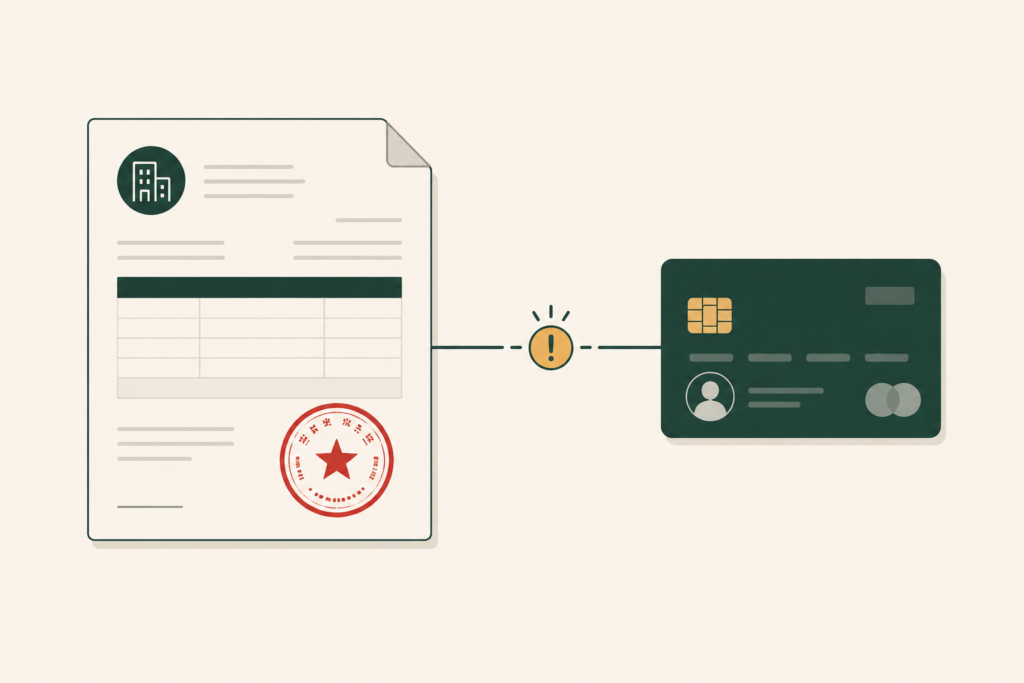
If you import from China long enough, you will meet this one. The company is real. You checked. The website looks right, the WeChat replies are prompt, the samples were fine. Then, when it’s time to pay, the account details arrive — and the name on the account is a person, not the company.
Usually there’s a friendly reason attached. “Our company account is under tax review this month.” “Please pay our manager directly, it’s faster.” “Use this account for the deposit, the balance goes to the company.” Every one of these is the same move, and it is where most import money actually disappears.
Here’s why it works. A legitimate export company in China invoices you and expects to be paid into a company bank account that matches its registered legal name. When money instead goes to an individual’s account, you have no contract link between the payment and the company. If the goods never ship, the company can truthfully say it never received your money — because it didn’t. A person did. And that person is now unreachable.Sometimes the “supplier” is a scammer from the start who only ever borrowed a real company’s identity.
Sometimes it’s a real company employee going rogue. Occasionally the company’s email or WeChat was hacked and someone inserted their own account details at the last moment. From your side, the cause doesn’t matter. The defence is the same.
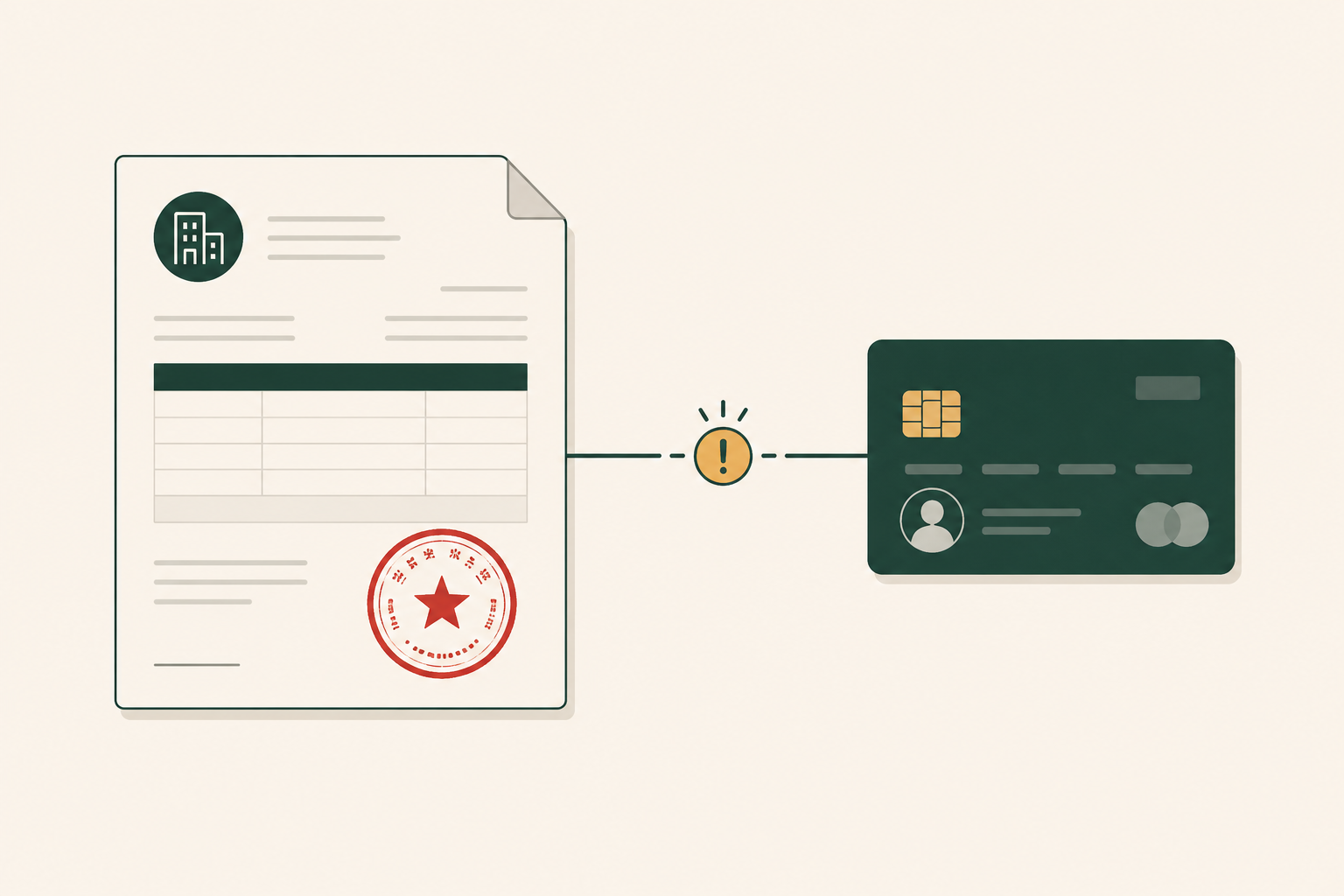
Ask one question: does the bank account name exactly match the registered company name?
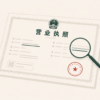
Get the supplier’s official registered name — the full Chinese legal name on their business licence, not the brand or shop name. Then look at the account they’ve asked you to pay. If the beneficiary is a person, or a differently-named company, stop. Ask them for a company account in the registered name. A real exporter can do this in a day. A scammer will give you reasons why they can’t.
This single check is the reason Sauri Check’s Deep tier verifies the payment account against the registered company. It’s the last gate before your money leaves, and it’s the one that saves the most.